
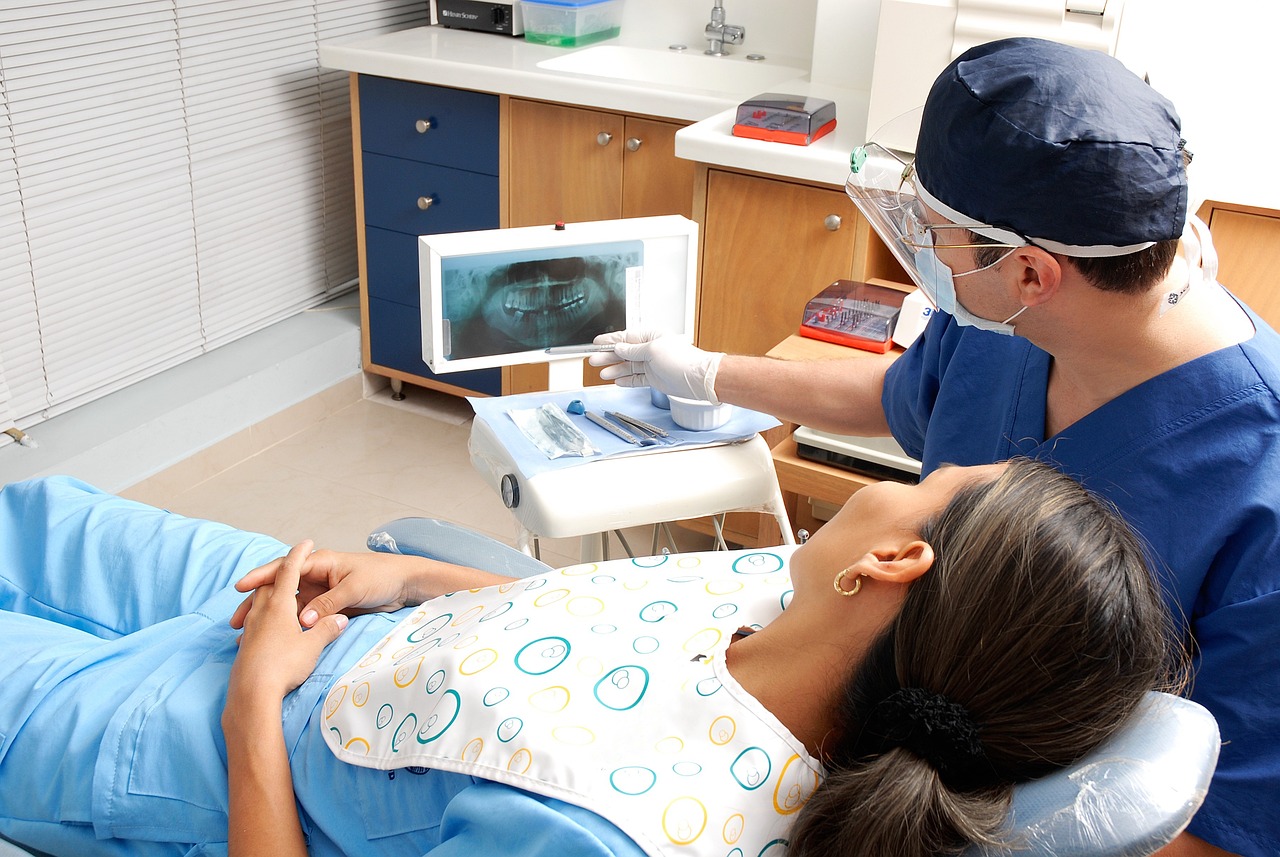
Dental offices face hidden risks from Toronto’s winter humidity swings. Humidity drops to fifteen percent when furnaces run. Wood cabinets swell and shrink. Moisture management becomes critical.
How Wood Responds to Humidity Changes
Wood expands in humidity and contracts when dry. Fifteen percent humidity is desert-dry. Thirty-five to fifty percent is normal. The swing is extreme.
Dental cabinets absorb moisture from steam—autoclaves, hand-wash stations, patient breathing. Then dry heat shrinks them. This expansion-contraction cycle stresses joints and finishes.
Doors stick or won’t close. Drawers jam. Gaps appear between panels. Finish cracks.
Common Damage Patterns
Warping of cabinet doors is most visible. They bow outward or inward. Soft-close hinges fail from misalignment.
Delamination—where veneer peels from substrate—happens when moisture penetrates seams. Seals fail over time, allowing water in.
Joints crack when repeated swelling stresses connections. Glue joints between pieces fail.
Staining from moisture marks finishes. Once stained, finish damage spreads.
Medical Cabinet Specifications Matter
Professional dental cabinets specify humidity tolerance during manufacturing. Standard spec is forty to fifty percent humidity. Toronto winter dips to fifteen percent.
This difference is massive. Cabinets can’t adapt fast enough.
LED lighting built into quality cabinets adds heat but doesn’t cure humidity problems. Soft-close drawers help preserve structure but don’t fix root cause.
HVAC Control Is Essential
Maintaining thirty-five to fifty percent humidity prevents damage. Humidifiers and dehumidifiers must run year-round.
Toronto dental offices need commercial-grade humidity control. Hospital-quality HVAC systems manage this. Residential systems don’t cut it.
Emergency backup systems prevent hvac failure during winter. One night without heat and humidity control causes damage.
Condensation Hidden Inside Ceilings
Dental operatories generate heat and steam. Overcooled areas create cold surfaces. Condensation forms in hidden ceiling cavities.
This hidden moisture is dangerous. Mold grows unseen. It spreads through HVAC ducts.
Patient safety and staff health suffer. HIPAA regulations require immediate remediation.
Regular ceiling inspections catch early signs—water-stained tiles, discoloration. Act fast when spotted.
Cabinet Material Selection
Solid wood cabinets are beautiful but need constant monitoring. Wood’s natural response to humidity is unavoidable.
Engineered wood—plywood, MDF—absorbs moisture faster than solid. It swells and warps more dramatically. Laminate peels when moisture penetrates.
Stainless steel cabinets resist humidity damage completely. They don’t expand or contract. They’re immune to moisture.
Solid surface materials perform better than wood. They’re less porous. But they still need humidity control.
Preventive Maintenance Schedule
-
Monthly: Check humidity levels—aim for thirty-five to fifty percent
-
Monthly: Inspect cabinet doors and drawers for sticking
-
Monthly: Look for signs of swelling or warping
-
Quarterly: Check for finish cracks or peeling
-
Quarterly: Inspect ceiling tiles for water stains
-
Semi-annually: Service humidity control systems
-
Annually: Professional HVAC inspection with humidity testing
Emergency Response Plans
HVAC failure in winter means immediate action. Portable dehumidifiers and humidifiers help short-term. But permanent fix is faster.
Backup power for critical systems prevents shutdown. Generators keep humidity control running.
Insurance coverage for equipment damage from humidity failure is essential.
Design for Winter Resilience
New dental cabinetry should include humidity sensors. Automated alerts warn of problems before damage.
Sealed construction prevents moisture infiltration. All gaps and seams sealed tight.
Material choice matters—stainless or sealed solid surface outperforms wood.
Long-Term Investment View
Quality cabinets that handle humidity swings cost more upfront. Two to three year lifespans vs. ten-year lifespans justify cost.
Humidity control systems add five to ten grand to HVAC costs. Over ten years, damage from humidity costs multiply that.
Smart dental offices invest in climate control and quality cabinetry. Cheap cabinets need replacing every few years.
Takeaway
Toronto’s brutal humidity swings—from fifteen to fifty-five percent annually—stress dental cabinetry hard. Proper humidity control, quality materials, and regular maintenance keep cabinets functioning.
Ignore humidity and cabinets fail within three years. Manage it and they last decades.