
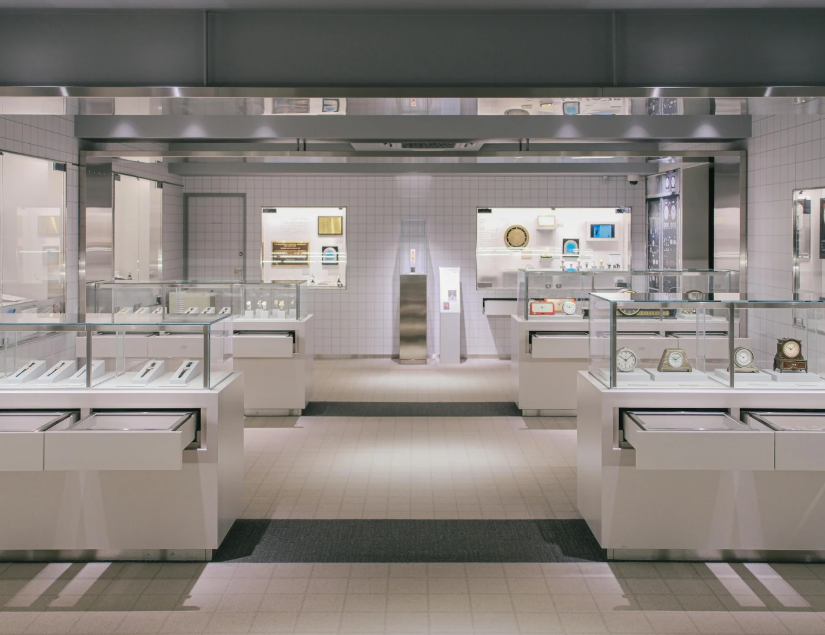
Glare free lighting for retail display cases starts with positioning and shielding the light sources so customers see the merchandise rather than bright lamps or reflections. The practical goal is controlled, comfortable visibility, not a promise to eliminate every reflection from glass and polished products.
Key Takeaways
-
Conceal light sources from normal customer viewing positions.
-
Aim light toward merchandise rather than directly toward the glass or shopper.
-
Check reflections from ceiling fixtures, windows, and neighbouring displays.
-
Match beam spread, diffusion, and brightness to the products.
-
Test a representative case with actual merchandise before finalizing the design.
-
Coordinate lighting access, wiring, and ventilation with the case construction.
What Causes Glare in a Display Case?
Two problems commonly interfere with viewing.
Direct glare occurs when an exposed light source is uncomfortably bright within the shopper’s field of view. Reflected glare occurs when light bounces from glass, polished metal, glossy packaging, or other surfaces toward the viewer.
Increasing brightness does not automatically improve visibility. A brightly lit product can still be hard to examine if reflected light obscures its details.
Start by identifying whether the distraction comes from inside the case, the surrounding store, or both.
Where Should Display Case Lights Be Positioned?
Place fixtures where their light reaches the merchandise while the sources remain screened from expected viewing angles.
Depending on the case, suitable locations may include concealed upper channels, vertical side positions, or lighting beneath individual shelves.
Review the arrangement from:
-
Standing and seated eye levels
-
Close inspection positions
-
Approaches from either side
-
Staff positions behind the counter
-
Views through more than one glass panel
No universal mounting angle works for every case. Shelf depth, glazing, product height, and customer position all affect the result.
Do Diffusers Eliminate LED Reflections?
Not necessarily. A diffuser can soften individual LED points and create a more continuous line of light, but that bright line may still reflect in the glazing.
Combine diffusion with source shielding, controlled aiming, and appropriate output.
Recessed channels, lips, baffles, or suitable optics may help conceal the fixture. However, these details must not prevent the light from reaching the products or obstruct cleaning.
Test the complete assembly rather than choosing a diffuser based on appearance alone.
Should Lighting Be Soft or Directional?
That depends on the merchandise.
Broad, diffused illumination can help show packaging and larger surfaces evenly. Directional light can emphasize texture, shape, or sparkle, but it may also create harsh highlights.
For jewellery, watches, and polished accessories, some controlled highlights are desirable. The goal is to reveal the product without letting reflections overwhelm it.
Use suitable colour rendering and compare the actual merchandise under the proposed lighting. Colour temperature alone does not establish how accurately colours will appear.
Can Store Lighting Reflect in the Case?
Yes. Ceiling lights, illuminated signs, windows, and nearby displays can appear in the glass even when the internal lighting is well concealed.
Assess the case within the overall store lighting plan. Repositioning or re-aiming an external fixture may be more effective than increasing the case lighting.
During November and December, repeat the check after dark and with holiday decorations operating. Seasonal strings, illuminated signage, and changing window conditions can introduce reflections that were absent during a daytime review.
What Should a Lighting Mock-Up Include?
Use the intended glass, shelf materials, finishes, and representative products.
Check visibility at realistic brightness settings and viewing positions. Include dimming where specified, and confirm that the chosen drivers and controls work together.
Also review maintenance. Lighting components need safe access, appropriate heat management, and concealed wiring without making routine servicing unnecessarily difficult.
Appropriately qualified personnel should complete electrical connections and modifications.
Plan the Case and Lighting Together
Store Fixtures Toronto manufactures custom display cases, glass showcases, shelving, retail counters, and commercial cabinetry. Share your merchandise samples and lighting objectives when discussing a fixture. Coordinating channels, shielding, wiring routes, and service access during fabrication helps create a display that presents products clearly without relying on excessive brightness.