
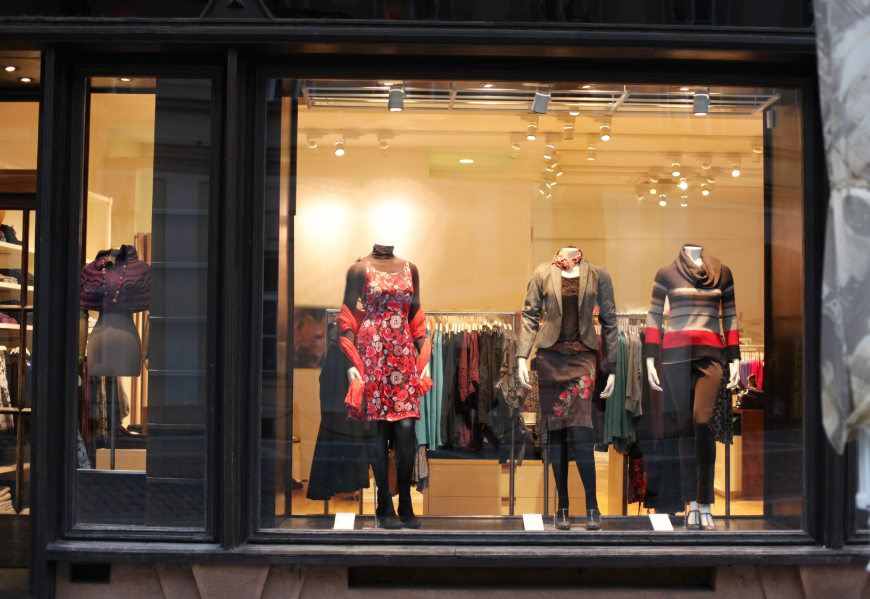
For many retail displays, start by comparing 3000K, 3500K, and 4000K. Warmer options can create a welcoming atmosphere, while neutral or cooler options can support a crisper presentation. The best choice depends on the merchandise, store finishes, daylight, and brand identity.
Effective display lighting combines suitable colour temperature with good colour rendering, appropriate brightness, and careful fixture placement. No single kelvin setting works best for every store or product category.
What Does Colour Temperature Mean?
Colour temperature describes whether white light appears warm or cool. It is measured in kelvin, shown as K.
Lower numbers produce a warmer appearance, while higher numbers look cooler. These common options provide useful starting points:
-
3000K: Warm white light that can create an inviting atmosphere.
-
3500K: A middle option between warmer and cooler appearances.
-
4000K: A crisper white light that can complement contemporary displays.
These are design options, not rules for particular merchandise. A clothing boutique, cosmetics counter, or electronics display may benefit from different settings depending on the overall environment.
Does Cooler Light Mean Brighter Light?
Colour temperature does not measure brightness. A 4000K fixture is not automatically brighter than a 3000K fixture.
Compare lumens when reviewing fixture light output. Then assess how much light actually reaches the merchandise, because mounting height, beam angle, shelving, and fixture position affect illumination.
A powerful ceiling fixture can still leave lower shelves in shadow. Adding correctly positioned shelf lighting may improve visibility more effectively than choosing a cooler lamp.
The aim is to make products easy to examine without creating uncomfortable glare.
When Does Warm Display Lighting Work Well?
Warm lighting can complement wood cabinetry, textured fabrics, and displays designed to feel comfortable or residential. It may suit a furniture showroom, gift shop, or boutique seeking an inviting atmosphere.
However, warmer is not automatically better for premium merchandise. Compare white packaging, pale fabrics, and similar shades before deciding.
Test the light against the actual cabinetry and products. A fixture that looks appealing in a supplier’s showroom may look different in your store.
When Should You Consider Neutral or Cooler Light?
Neutral and cooler options can support clean, contemporary displays. They are worth testing when customers need to examine fine details or compare products closely.
Avoid assuming that electronics require cool light or that clothing always needs warm light. Product presentation, surrounding finishes, and neighbouring fixtures all influence the result.
Check glass showcases and glossy packaging from normal browsing positions. Reflections and glare can interfere with visibility even when the colour temperature seems appropriate.
Why Is Colour Rendering Important?
Colour temperature and colour rendering describe different qualities.
The colour rendering index, or CRI, indicates how closely a light source renders selected colours compared with a reference. For colour-sensitive merchandise, CRI 90 or higher is a useful starting specification to discuss with your lighting supplier.
However, CRI alone does not describe every aspect of colour appearance. Compare actual merchandise under the proposed fixtures, especially when reds, skin tones, or subtle fabric shades matter.
Two fixtures with the same kelvin rating can still make products look different.
Plan Lighting Around the Fixtures
Before fabrication, discuss lighting channels, wiring routes, driver access, adjustable shelves, and glare control. Build a small mock-up using actual merchandise and cabinet finishes, then inspect it during daylight and after dark.
Store Fixtures Toronto offers custom commercial cabinetry, display shelving, glass showcases, retail counters, and architectural millwork. Contact the team for a consultation and free estimate to discuss how your fixtures can accommodate the proposed lighting layout. Coordinating shelving, finishes, wiring access, and product placement before production helps create a cohesive display that remains practical to maintain and update.